


Honoring Memories: The Deep Meaning of a Death Anniversary
Death leaves an indelible mark on the hearts of those left behind. For families, the passing of a loved one is a turning point, an event that reshapes life in profound ways. A death anniversary is not merely a date; it is a sacred occasion that allows us to pause, reflect, and honor the life of someone who profoundly influenced us. This reflection is both emotional and meaningful, creating space to celebrate the love, wisdom, and guidance the departed brought into our lives.
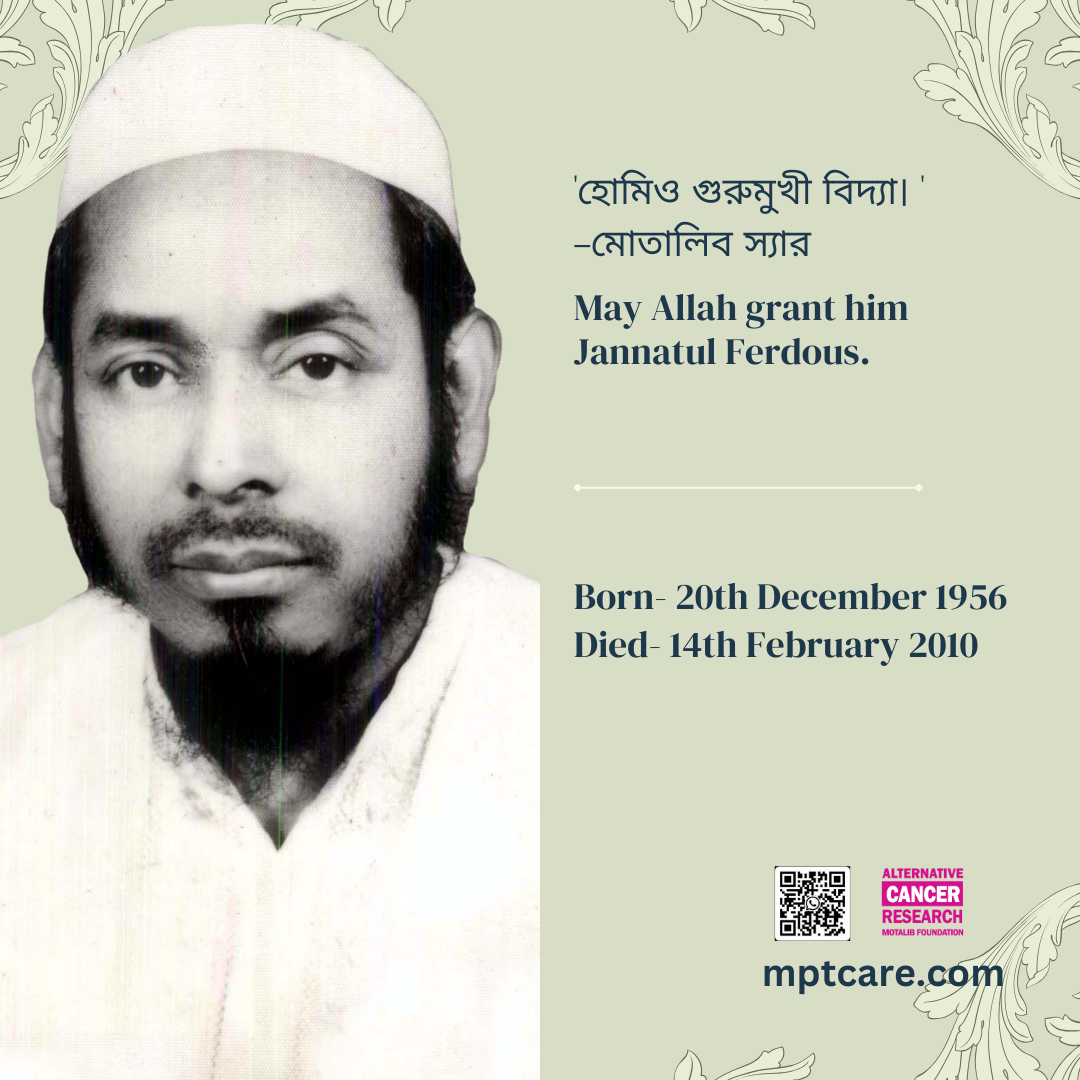
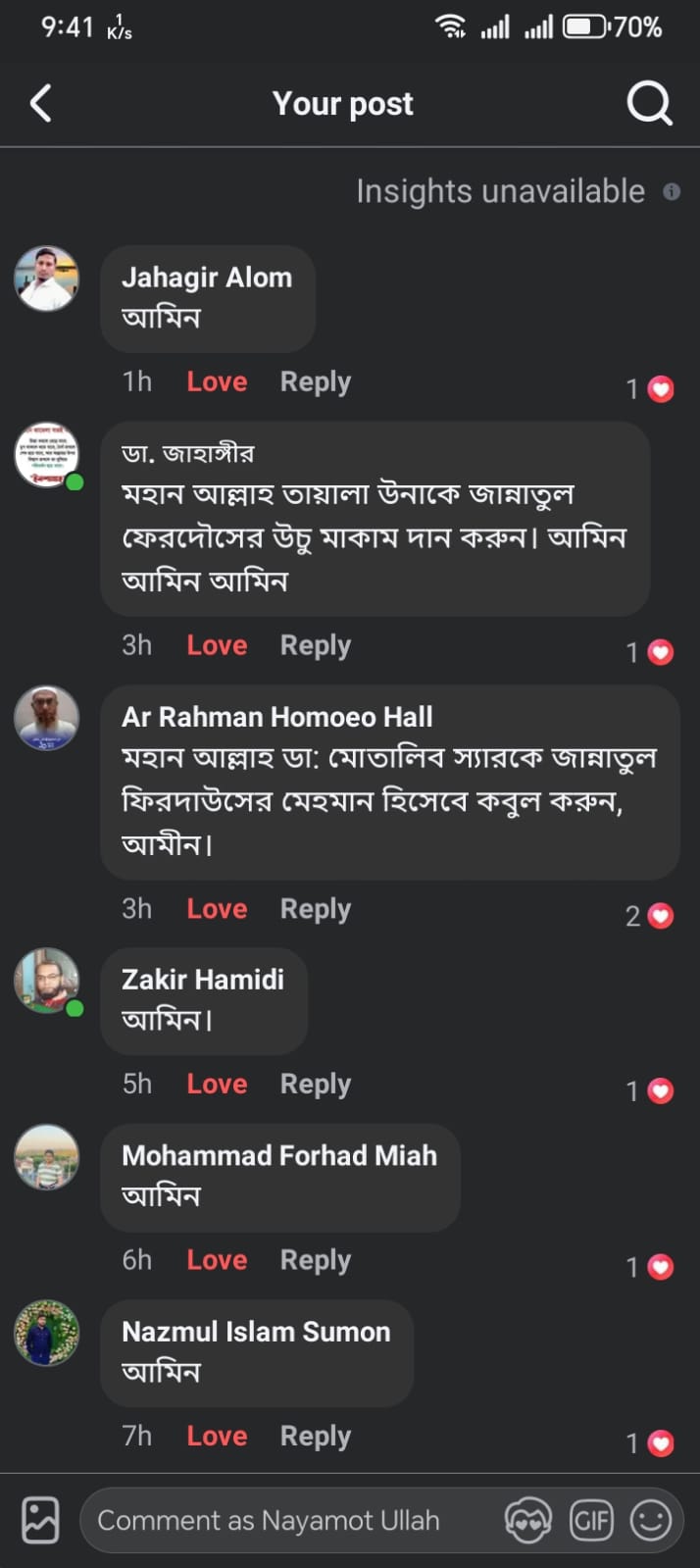
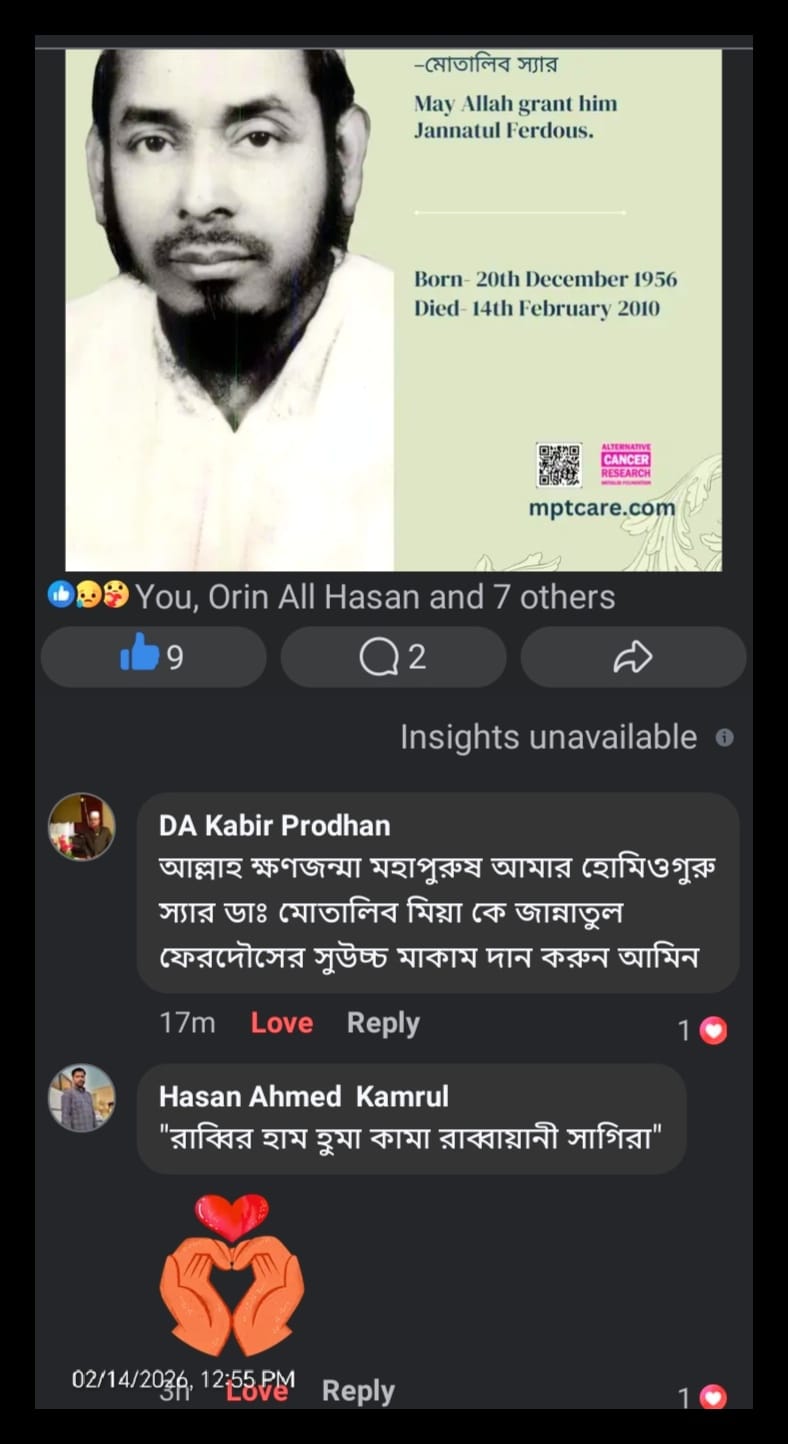
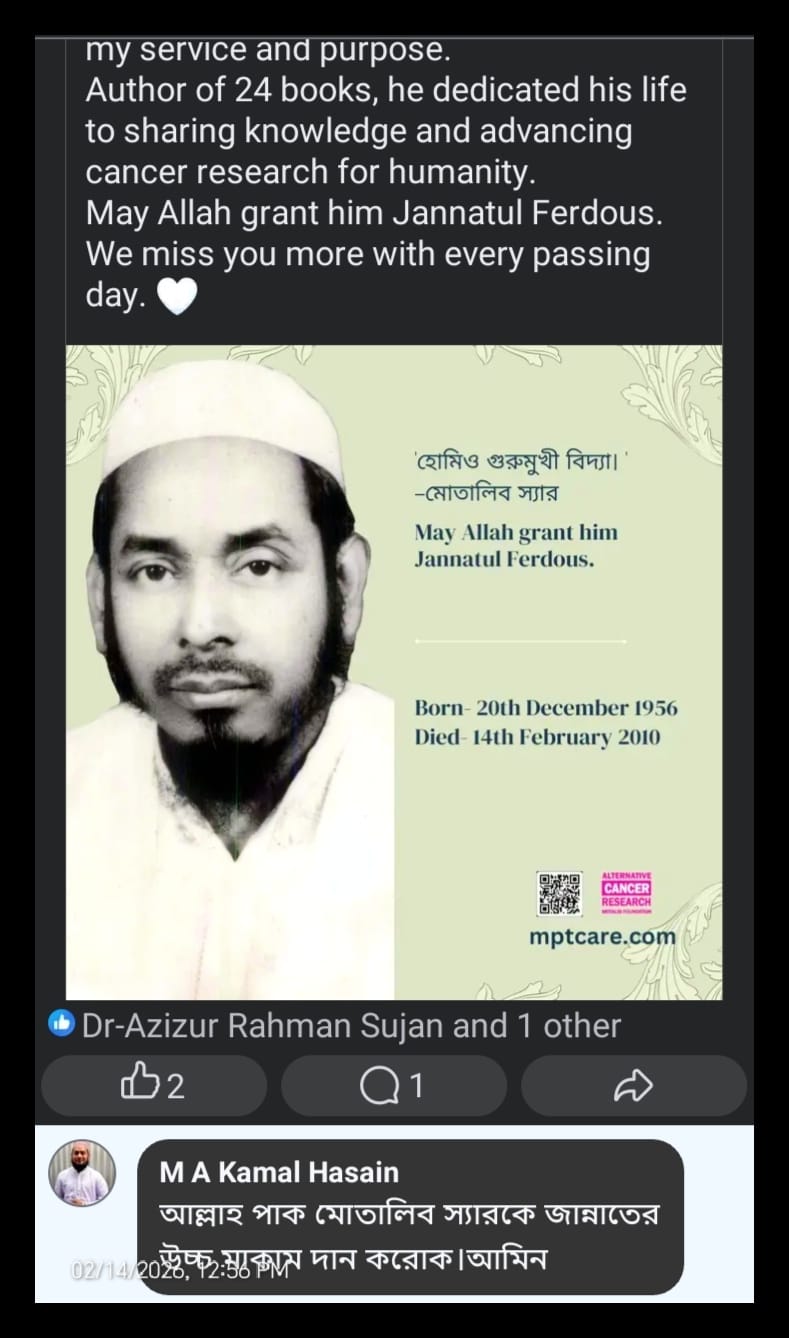
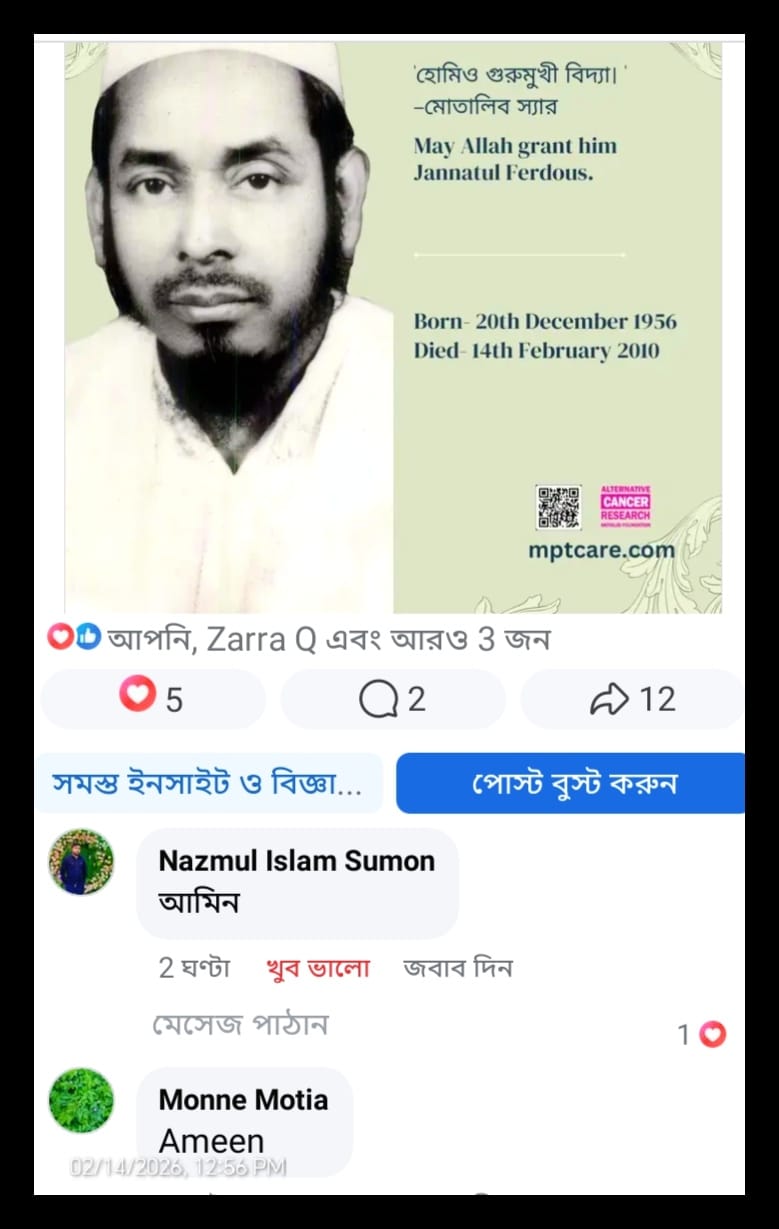
In my own life, the death of anniversary of my father, Dr. Motalib Miah, has been a time of both sorrow and inspiration. He left behind an immense legacy through his work in homeopathy, his 24 published books, and his relentless dedication to cancer research for humanity. Each year, the day reminds me of his enduring influence—words, lessons, and values that continue to guide my own journey.
What Is a Death Anniversary?
A death anniversary marks the day a loved one passed away. Unlike birthdays, which celebrate the beginning of life, a death anniversary encourages reflection on life, legacy, and the human connections that endure beyond physical presence. Families and individuals often observe this day through prayer, meditation, reflection, and acts of kindness, ensuring that the memory of the departed is honored and preserved.
The death of anniversary can vary across cultures. In some traditions, it is a day for communal gatherings, where friends and family share stories, memories, and prayers. In others, the day is observed privately, with introspection, visits to the grave, or acts of charity in memory of the departed. The underlying theme is consistent: the day is a bridge between past and present, a reminder of love and legacy.
The Emotional Power of a Death Anniversary
The passing of a loved one is an emotional journey that changes the fabric of our lives. The death anniversary is a moment to acknowledge that emotional impact and transform it into reflection, remembrance, and gratitude.
- Remembering shared moments: Revisiting memories—conversations, laughter, and even challenges—keeps the bond alive. Every memory is a thread that connects the living with the departed, a way to relive their presence in small yet profound ways.
- Processing grief: A death anniversary is an accepted, structured space for grief. Tears, sadness, and reflection are not only natural but necessary for emotional healing.
- Honoring legacy: Every death anniversary reminds us of the life lessons, wisdom, and values imparted by the departed. It motivates us to continue their work, embrace their teachings, and pass on their influence to others.
- Spiritual reflection: For many, this day includes prayer or spiritual practice, asking for peace, guidance, or blessings for the departed soul. This spiritual dimension often brings solace and a sense of connection beyond the physical world.
These layers of emotional significance make the death anniversary both a solemn and uplifting occasion, one that transforms grief into meaningful remembrance.
Crafting Death Anniversary Phrases
Words have the power to express what the heart feels most deeply. Carefully chosen death anniversary phrases allow individuals to articulate love, sorrow, gratitude, and hope. On this special day, such words serve as a reminder of the enduring impact of a person’s life.
Here are some examples of quotes for the anniversary of a death:
- “Your love is the light that continues to guide us, even in your absence.”
- “Though you are gone, your teachings and memories live in every heartbeat.”
- “Every day we miss you, but today we honor you.”
- “Your life was a blessing, your memory a treasure. You are loved beyond measure.”
- “We grieve because we loved, and we remember because love never dies.”
These phrases can be shared in letters, memorial posts, or personal reflections. They provide a gentle, heartfelt way to honor those who have left a lasting imprint on our lives.
Cultural Perspectives on Death Anniversaries
Across the world, cultures have developed unique ways of observing a death anniversary, reflecting the diversity of human expression.
- South Asian traditions: Families often gather, recite prayers, and offer food or charity in the memory of the deceased. These rituals reinforce family bonds and spiritual beliefs.
- Western traditions: Memorial services, candlelight vigils, or planting trees in memory of the departed are common practices. These acts symbolize life, continuity, and remembrance.
- Personalized observances: Some individuals may create scrapbooks, memory albums, or digital memorial pages. Others may engage in charitable acts or community service in honor of the loved one.
No matter the method, the common goal is to maintain a connection with the departed, honor their life, and nurture the living through remembrance.
Death Anniversary Quotes That Touch the Heart
On a death anniversary, sharing quotes can provide solace and strengthen bonds among those grieving. Here are more death anniversary phrases that convey emotion and remembrance:
- “Grief is the price we pay for love; today we honor both.”
- “Though the world has moved on, our hearts remain tethered to you.”
- “Life may be fleeting, but the impact of your love is eternal.”
- “Your absence is a shadow in our lives, yet your memory brings light to every day.”
- “We celebrate your life today, knowing your spirit lives within us.”
These words not only honor the departed but also help the living process grief, offering comfort in shared remembrance.
Observing a Death Anniversary Mindfully
The emotional weight of a death anniversary can be heavy, but mindful observance can transform it into a healing and meaningful experience. Here are ways to engage with this day thoughtfully:
- Reflect privately: Spend time in quiet meditation, journaling, or prayer, recalling cherished memories and lessons.
- Connect socially: Gather family or friends to share stories and celebrate the life of the departed. Community remembrance strengthens bonds and validates emotions.
- Perform acts of service: Charitable deeds, donations, or community service in memory of the deceased honor their legacy and continue their impact.
- Celebrate milestones: Recognize the achievements and contributions of the loved one. Sharing these stories keeps their spirit alive for future generations.
- Express emotions openly: Tears, laughter, and conversation are all part of processing grief and honoring the memory.
By observing a death anniversary in these ways, the day becomes a blend of remembrance, gratitude, and emotional renewal.
Social Media and Modern Commemoration
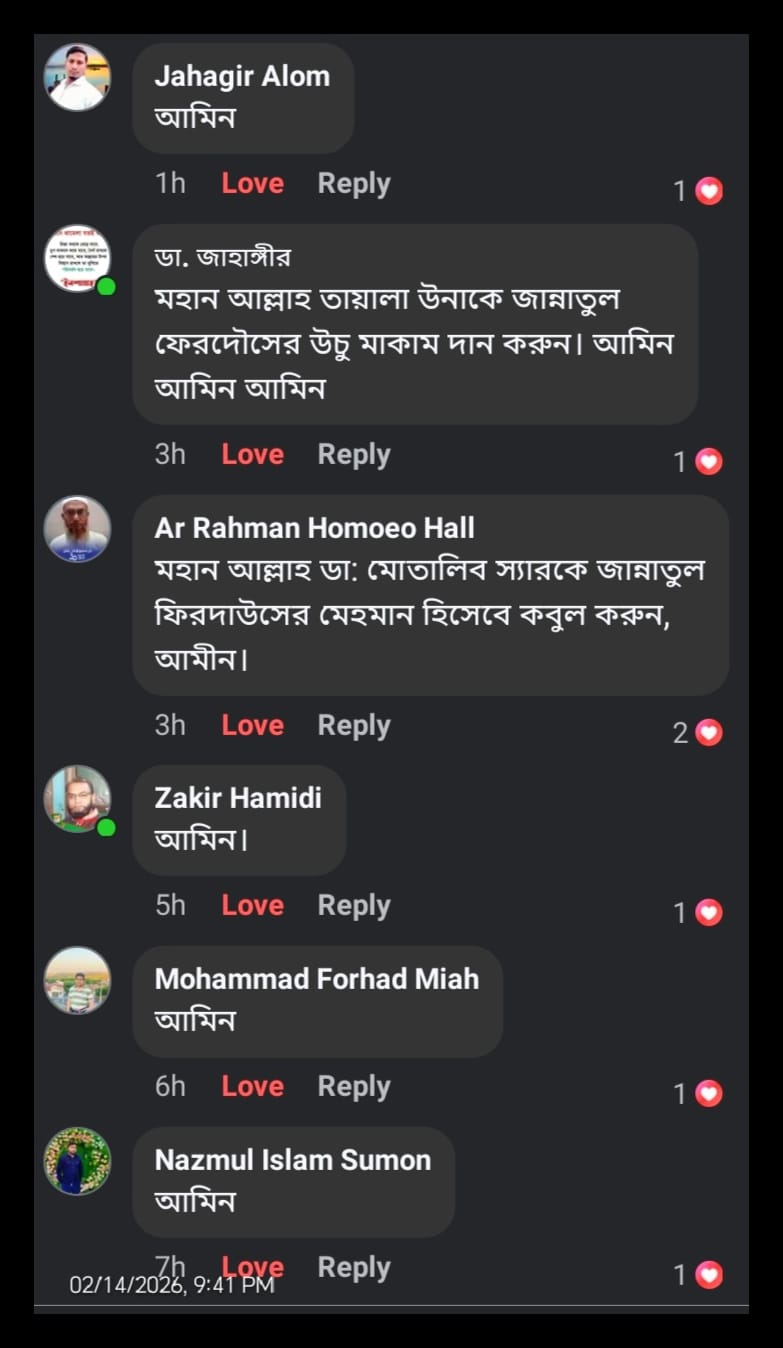
In today’s digital world, death anniversary phrases and quotes for anniversary of a death have found new spaces for expression. Social media allows families to post tributes, share memories, and connect with a broader network of friends and relatives. Digital memorial pages, blogs, or online communities create spaces for reflection, empathy, and communal remembrance.
For example, posting a short message like:
“Today we honor the life of our beloved father. Your teachings and love guide us every day. We miss you more than words can say.”
can resonate with a wide audience, sparking reflection, empathy, and shared memory.
Digital expressions make it possible to preserve memories in new, creative, and enduring ways while spreading comfort to those grieving.
Healing Through Memory
Grief is not a process that has a fixed timeline; it ebbs and flows. The death anniversary allows us to reconnect with memories and honor the past while nurturing emotional resilience. By reflecting on the impact, wisdom, and love of the departed, we transform sorrow into inspiration.
For me, observing the death anniversary of my father, Dr. Motalib Miah, is a profound reminder that knowledge, love, and service transcend life. His words—“Homeopathy is Gurumukhi knowledge”—continue to inspire my practice, and his research in cancer remains a guiding light for those seeking healing. The anniversary is a bridge between the tangible absence and the lasting presence of his teachings and values.
Writing Your Own Death Anniversary Tribute
Crafting a personal tribute can help articulate feelings and honor the departed. Here are some tips for creating meaningful death anniversary phrases:
- Use personal memories: Reflect on moments that capture the essence of their personality.
- Express love and gratitude: Let the words reflect the impact of their guidance, care, and lessons.
- Acknowledge grief: It’s okay to express sorrow alongside love and remembrance.
- Share inspiration: Highlight qualities or achievements that continue to influence you and others.
- Include spiritual or cultural elements: Prayer, blessing, or references to tradition can deepen the significance.
A thoughtfully written tribute becomes a keepsake for family and friends and ensures that the memory of the departed is honored with dignity and love.
Conclusion
A death anniversary is not just a day marked on the calendar—it is a living testament to the enduring presence of love, memory, and legacy. It reminds us that though life is transient, the impact of a loved one continues through the memories, teachings, and inspiration they leave behind.
By observing the death of anniversary, using heartfelt death anniversary phrases, or sharing quotes for anniversary of a death, we nurture emotional healing, celebrate legacy, and honor the human bonds that persist beyond mortality. Every tear, every smile, and every reflection on this day is a tribute to a life that shaped ours.
Whether through prayer, reflection, communal gathering, or digital commemoration, a death anniversary transforms grief into love, remembrance, and purpose. It is a day to pause, to feel deeply, and to remember that the lives we honor continue to guide and inspire us every day.
Connect with MPTCare
📧 Email: drnayamotullah@gmail.com
📱 WhatsApp: +8801552359545
🔗 WhatsApp Link
🩺 First-time patients receive a FREE 20-minute online consultation
Visit our website: https://mptcare.com
About Dr. Nayamat Ullah: https://mptcare.com/nayamot-ullah
 Volunteer Help poor patients get cancer treatment and lead drug-free lives.